Training
Marketing, digital communication and product presentation — applied to the cluster's own products.

Many craft traditions in India are practised within clusters — communities where knowledge, skills and techniques are shared across generations. HFH works directly with these communities to strengthen artisan enterprises while respecting cultural identity.
Families and neighbourhoods often specialise in particular materials — bamboo, textiles, wood, clay, metal. Clusters hold deep understanding of local materials, tools and processes, and reflect the cultural identity of the communities that sustain them.
Today, many clusters face challenges that affect the continuity of their work. Markets are changing. Younger generations often move away from craft livelihoods. Access to design support, business knowledge and market networks is limited in many regions.
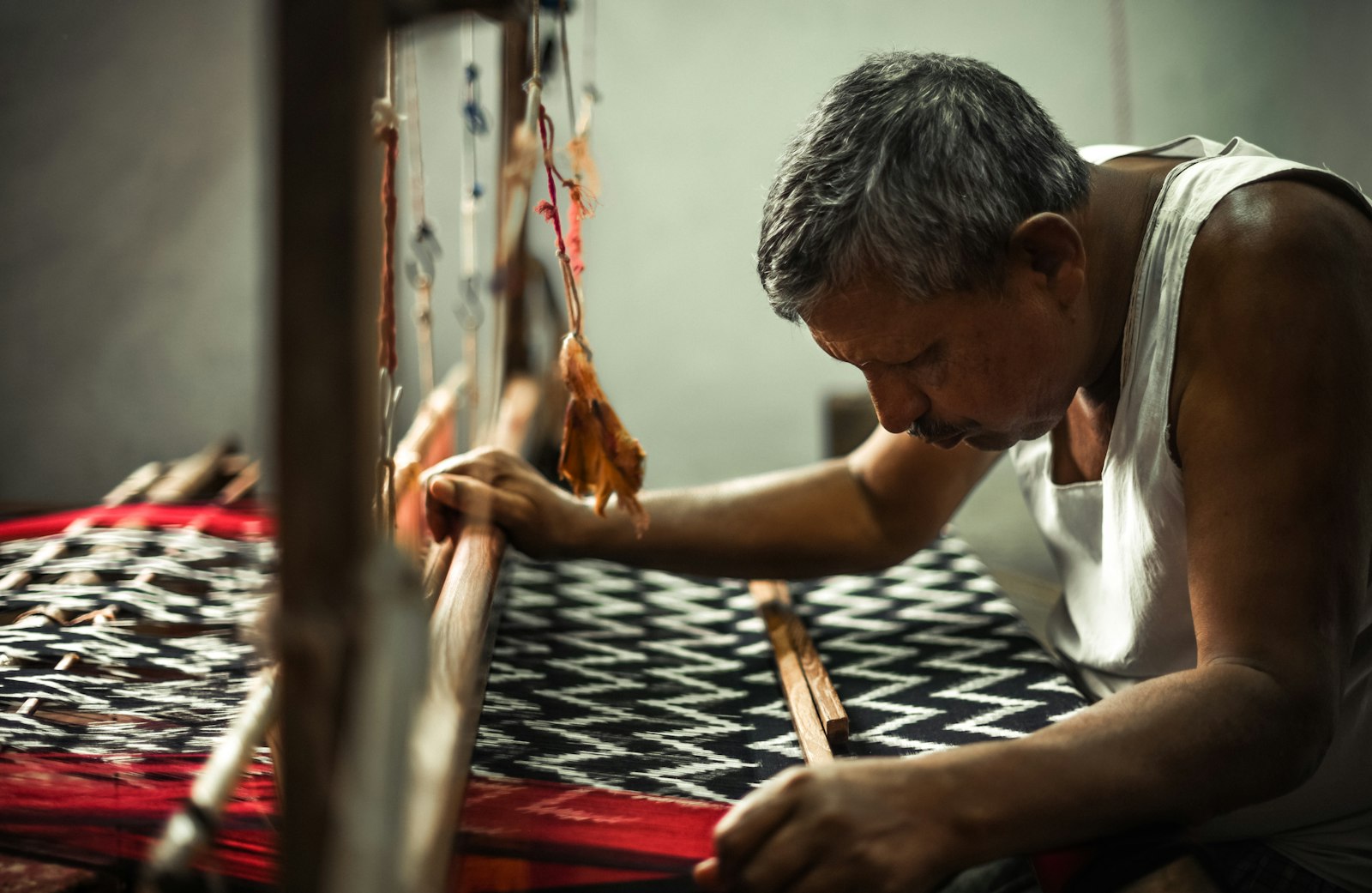
Within clusters, artisans develop deep understanding of materials and techniques through years of practice. These skills are rarely documented formally, yet they represent important cultural knowledge. When craft livelihoods weaken, this knowledge also begins to disappear.
Cluster development helps strengthen the economic conditions that allow these traditions to continue. For HFH, this work is not about replacing traditional knowledge — it is about creating conditions where that knowledge can continue to evolve and sustain livelihoods.
The process usually begins with understanding the craft ecosystem within a community — its materials, techniques, existing product ranges and market relationships. From this understanding, HFH works with artisans through workshops and collaborative sessions that explore new ideas and opportunities.
Marketing, digital communication and product presentation — applied to the cluster's own products.
Building on traditional skills while responding to contemporary markets, in collaboration with designers.
How products move through markets, and identifying new distribution opportunities.
Linking artisans with designers, educators and institutions who can support further development.
Cluster initiatives are developed slowly and carefully so that changes grow naturally from within the community.
In the Himalayan region of Uttarakhand, Ringaal — a species of mountain bamboo — has been used for generations to create baskets, containers and utility objects. These products were historically connected to everyday life in the hills and played an important role in local economies.
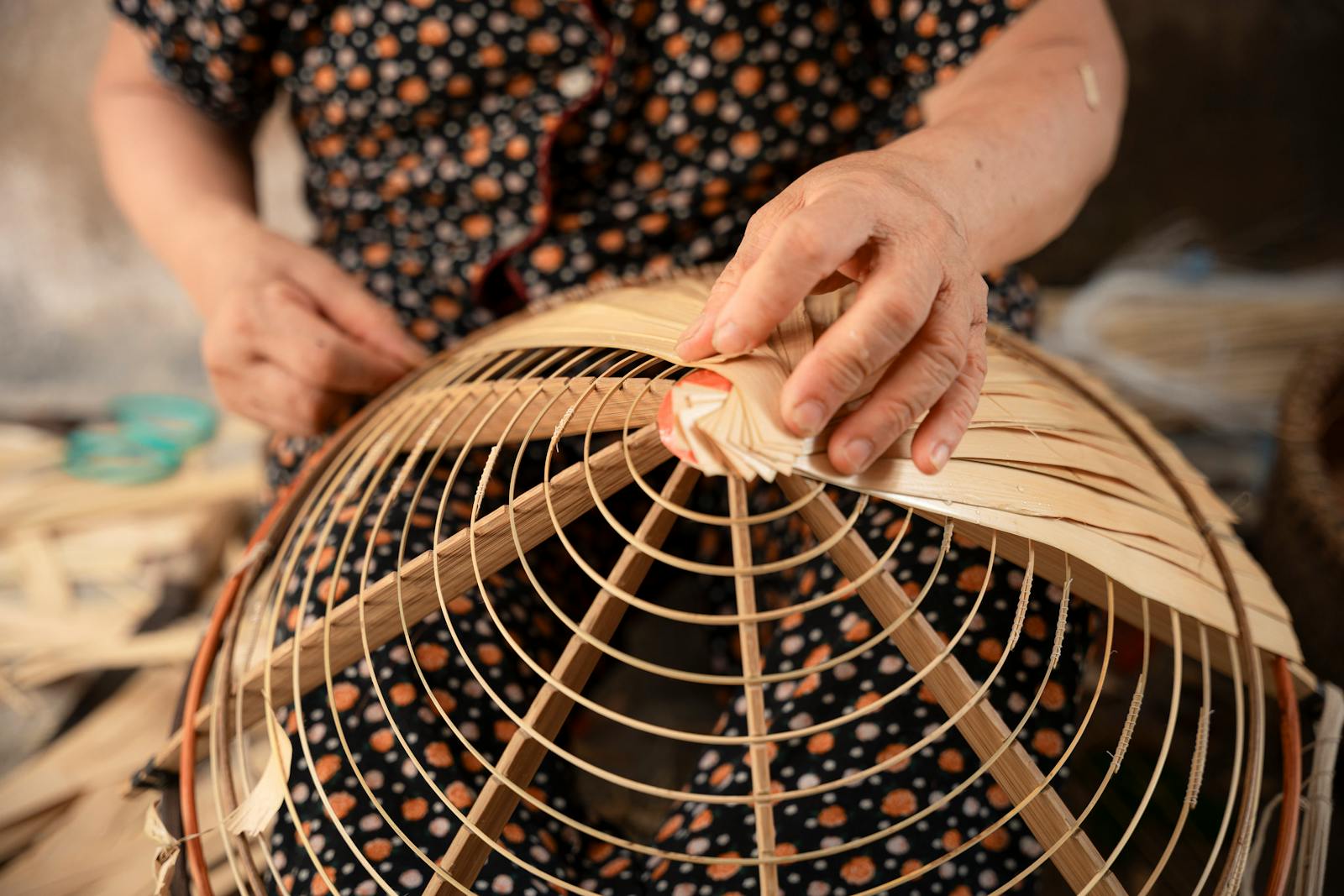
Over time, changes in lifestyle and market demand reduced the use of many traditional Ringaal products. At the same time, the craft holds remarkable potential — the material is sustainable, flexible, and well suited to contemporary design.
HFH has begun groundwork for developing a Ringaal cluster in Kolti village near Landour, Uttarakhand. The initiative involves working closely with local artisans to understand existing skills and explore new directions through workshops, design discussions and training programs — supporting livelihoods while preserving the identity of Ringaal craft traditions.
Many Handmade Academy modules are designed to support artisans working within clusters. Skills in marketing, product communication and digital presentation help artisans reach wider audiences. In the other direction, insights from cluster engagement help shape future courses — so learning programs remain grounded in the lived experience of craft communities.
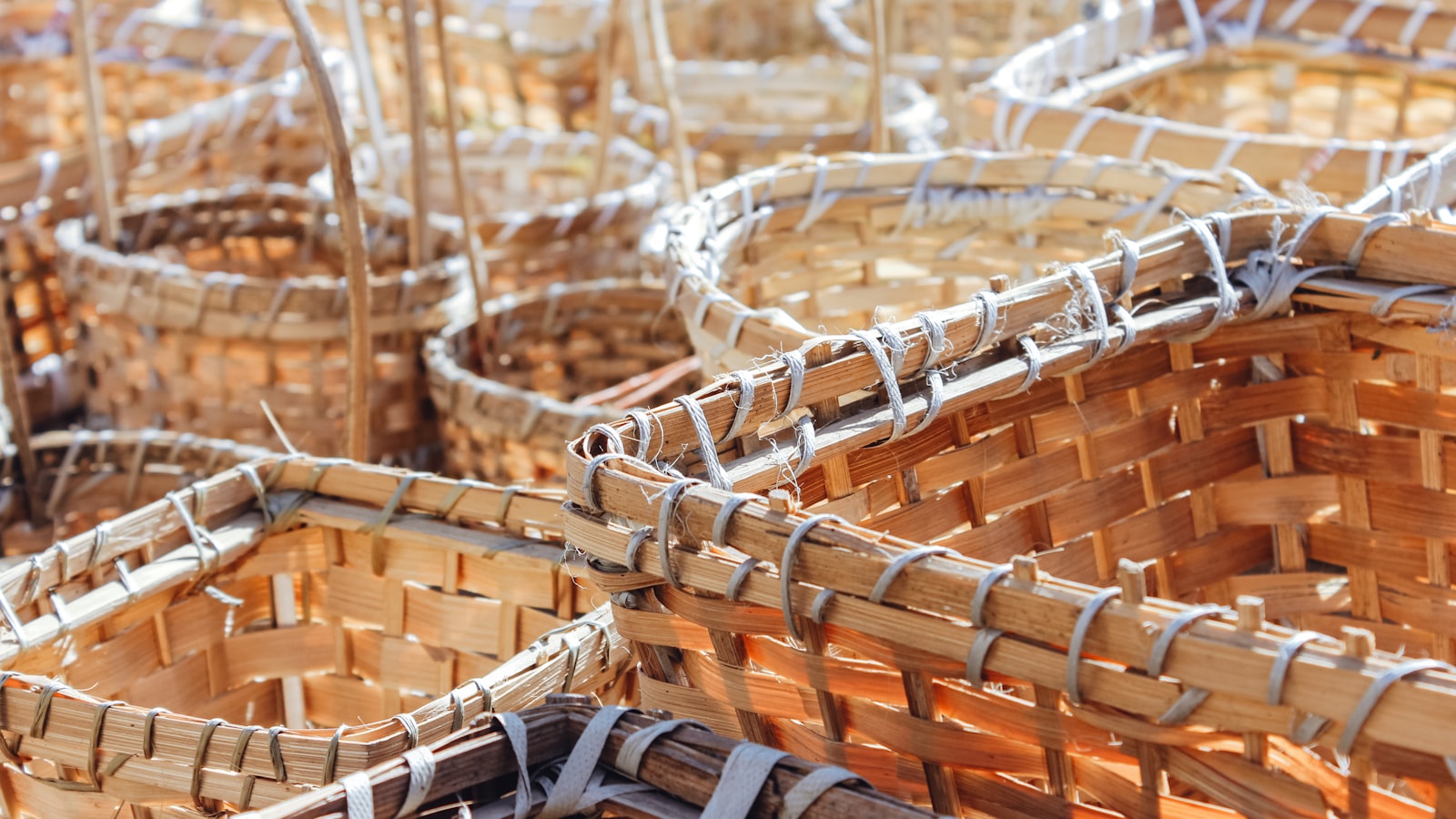
The long-term goal of cluster initiatives is to help artisans build stronger, more sustainable craft enterprises — improving the way products are designed, communicated and distributed while respecting the traditions that shape each craft.
Sustainable enterprises allow artisans to earn stable incomes while continuing to practice their skills. When this happens, younger generations are more likely to remain connected to craft traditions rather than leaving them behind.
By combining traditional knowledge with new skills and networks, craft clusters can evolve in ways that support both livelihoods and cultural continuity. HFH's cluster initiatives aim to contribute to this process by working closely with artisan communities and supporting their journey toward stronger and more sustainable craft enterprises.
Cluster development often requires collaboration between organisations and institutions. HFH welcomes partners who share an interest in artisan livelihoods — through funding, technical collaboration or joint programs.