Enterprise Skills
Marketing, product communication and digital presentation applied to the cluster's own craft practice.

In Kolti village near Landour, Uttarakhand, HFH has begun groundwork with Ringaal bamboo artisans to strengthen livelihoods while preserving the identity of a Himalayan craft tradition.
Ringaal is a species of mountain bamboo traditionally used by Himalayan communities to create baskets, containers and utility objects. These products were historically connected to everyday life in the hills and played an important role in local economies.
Over time, changes in lifestyle and market demand reduced the use of many traditional Ringaal products. At the same time, the material holds strong contemporary potential: it is sustainable, flexible and well suited to design-led product exploration.
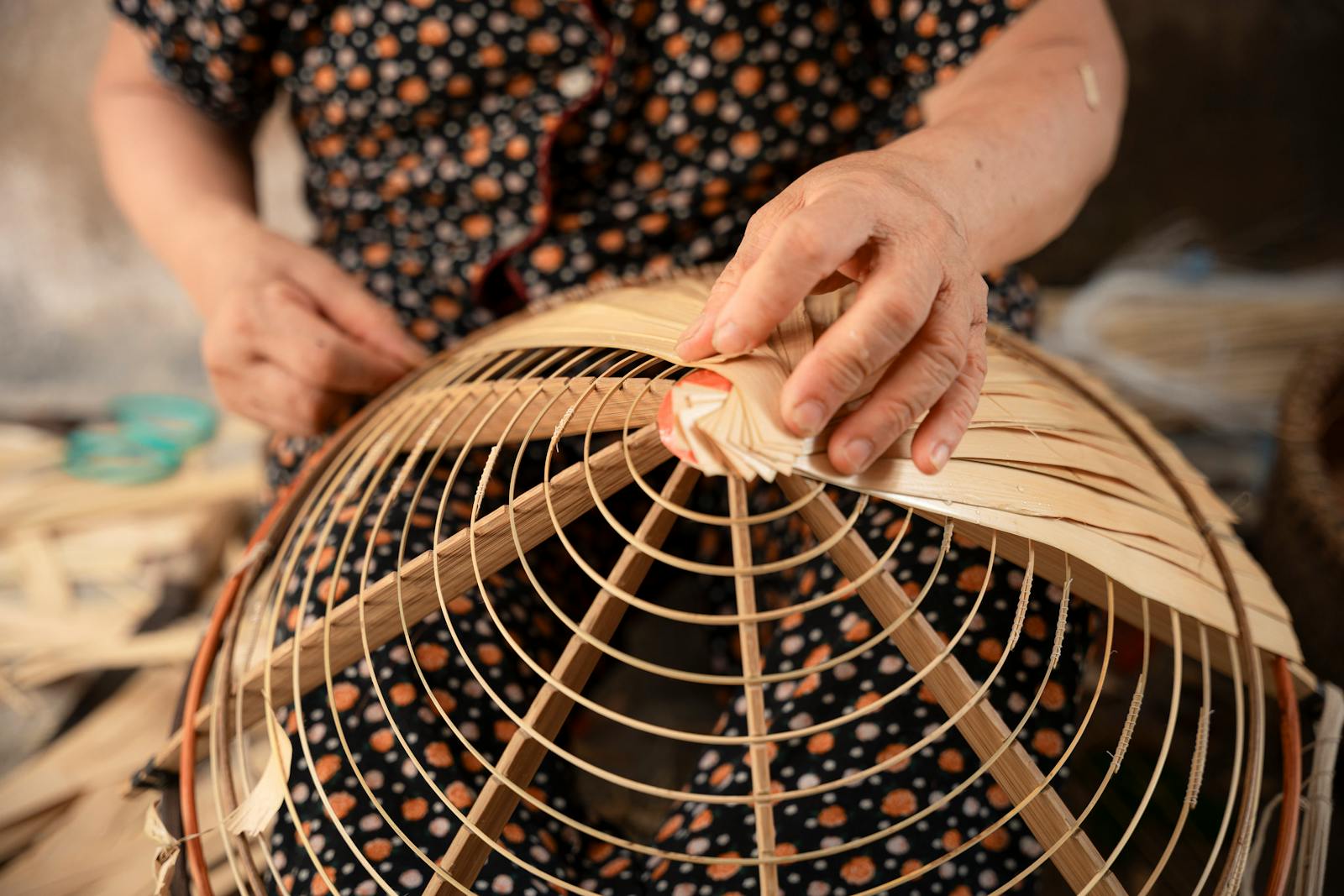
HFH's work in Kolti village begins with listening: understanding existing skills, product forms, material practices and the economic realities of artisans in the region. The initiative is designed to grow carefully from within the community rather than imposing outside assumptions.
Through workshops, design discussions and training programs, the cluster initiative aims to support artisan livelihoods while preserving the identity of Ringaal craft traditions.
Marketing, product communication and digital presentation applied to the cluster's own craft practice.
Exploring contemporary product directions that build on traditional Ringaal bamboo knowledge.
Understanding buyer expectations, product presentation and opportunities for wider distribution.
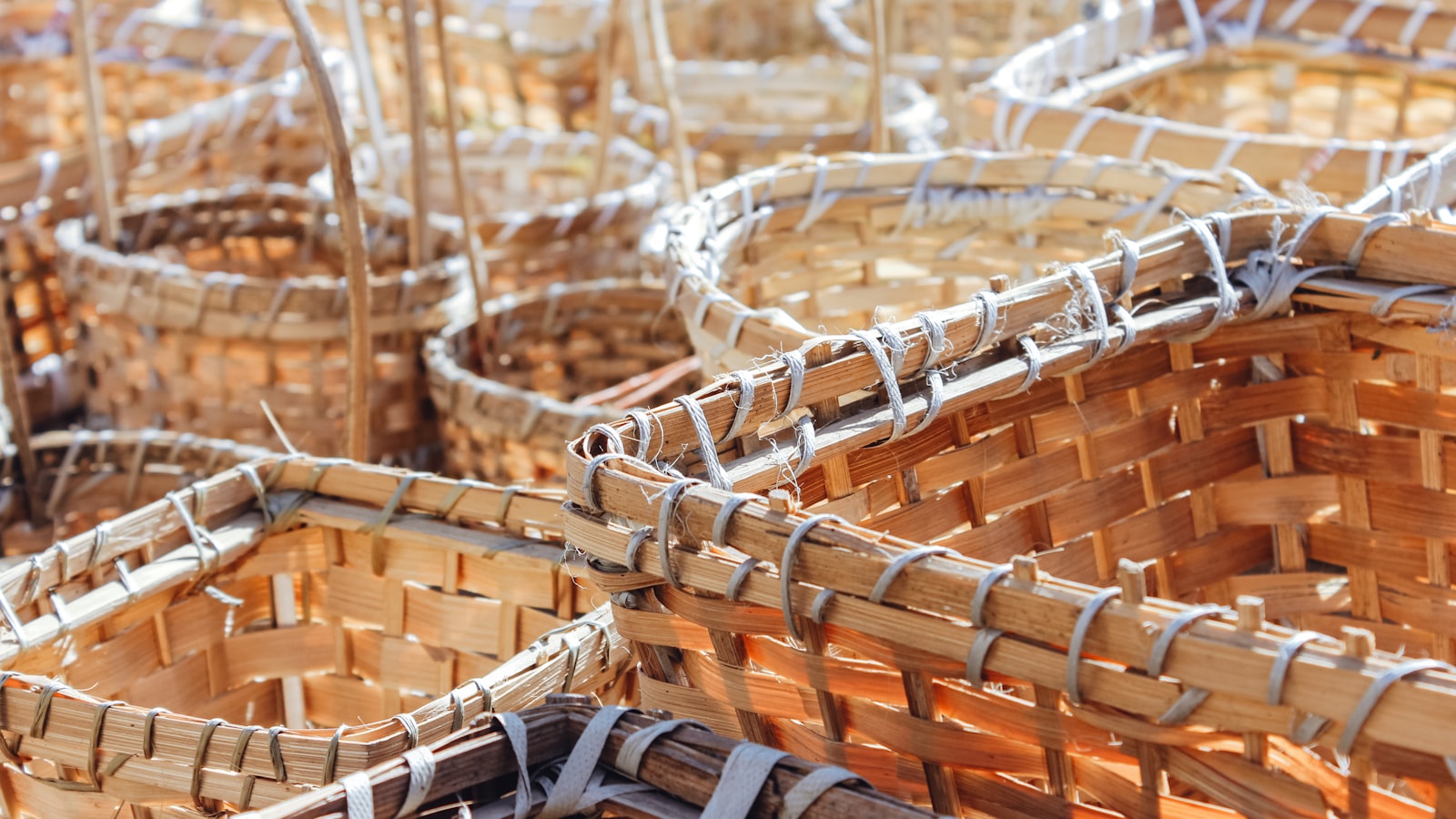
The goal is to help Ringaal artisans build stronger and more sustainable enterprises while continuing to practice and evolve their traditional skills. When craft livelihoods become economically viable, younger generations are more likely to remain connected to the knowledge systems around them.
HFH welcomes partners interested in supporting training, design exploration and livelihood strengthening within craft communities.