
Strengthening the Handmade Ecosystem
HFH measures impact not only in numbers, but in the strengthening of relationships, the exchange of knowledge, and the creation of opportunities that allow craft traditions to continue evolving.
When artisans gain access to knowledge, networks and opportunities, the handmade sector becomes stronger.
HFH's initiatives focus on building systems that support artisan livelihoods while respecting the cultural knowledge embedded in craft traditions. Through learning programs, collaborative initiatives and emerging cluster work, the foundation contributes to a growing ecosystem that connects artisans, designers, institutions and markets.
Structured learning, reaching artisans where they are
Handmade Academy represents one of the most significant steps in HFH's journey. The platform provides artisans with access to structured learning in areas that directly influence the success of craft enterprises — marketing, product photography and digital communication.
By making these modules available online, HFH enables artisans from different regions to access knowledge without needing to travel or pause their craft practice. As the academy expands its curriculum, the platform will support an increasing number of craft entrepreneurs.
A network of people who care about the future of craft
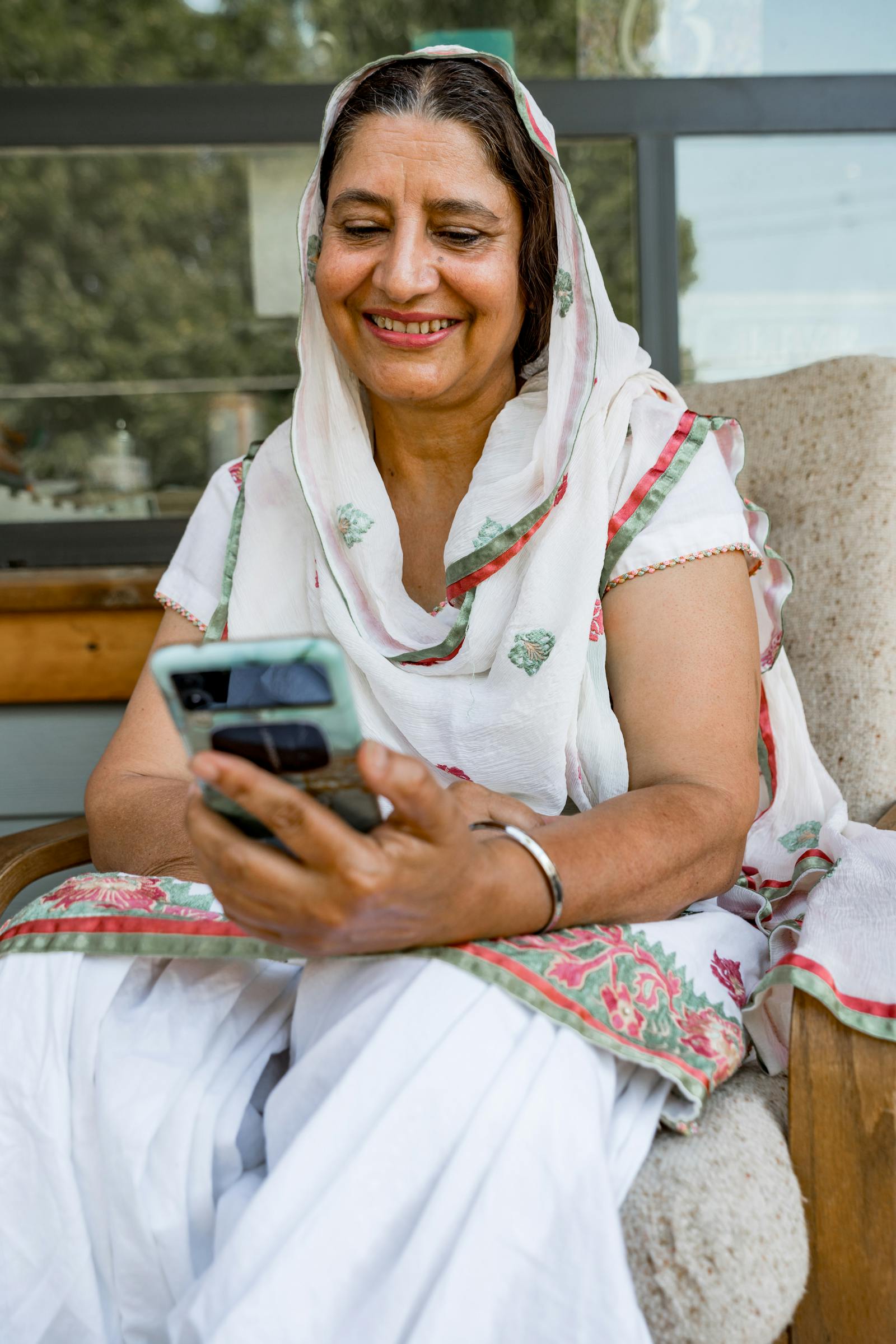
HFH has gradually built a network of artisans, designers, educators, researchers, journalists and entrepreneurs who share a commitment to strengthening craft livelihoods. Through conversations, workshops and collaborative programs, the foundation creates spaces where people from different parts of the ecosystem can exchange ideas and experiences.
Hamari Virasat: craft meets the Constitution
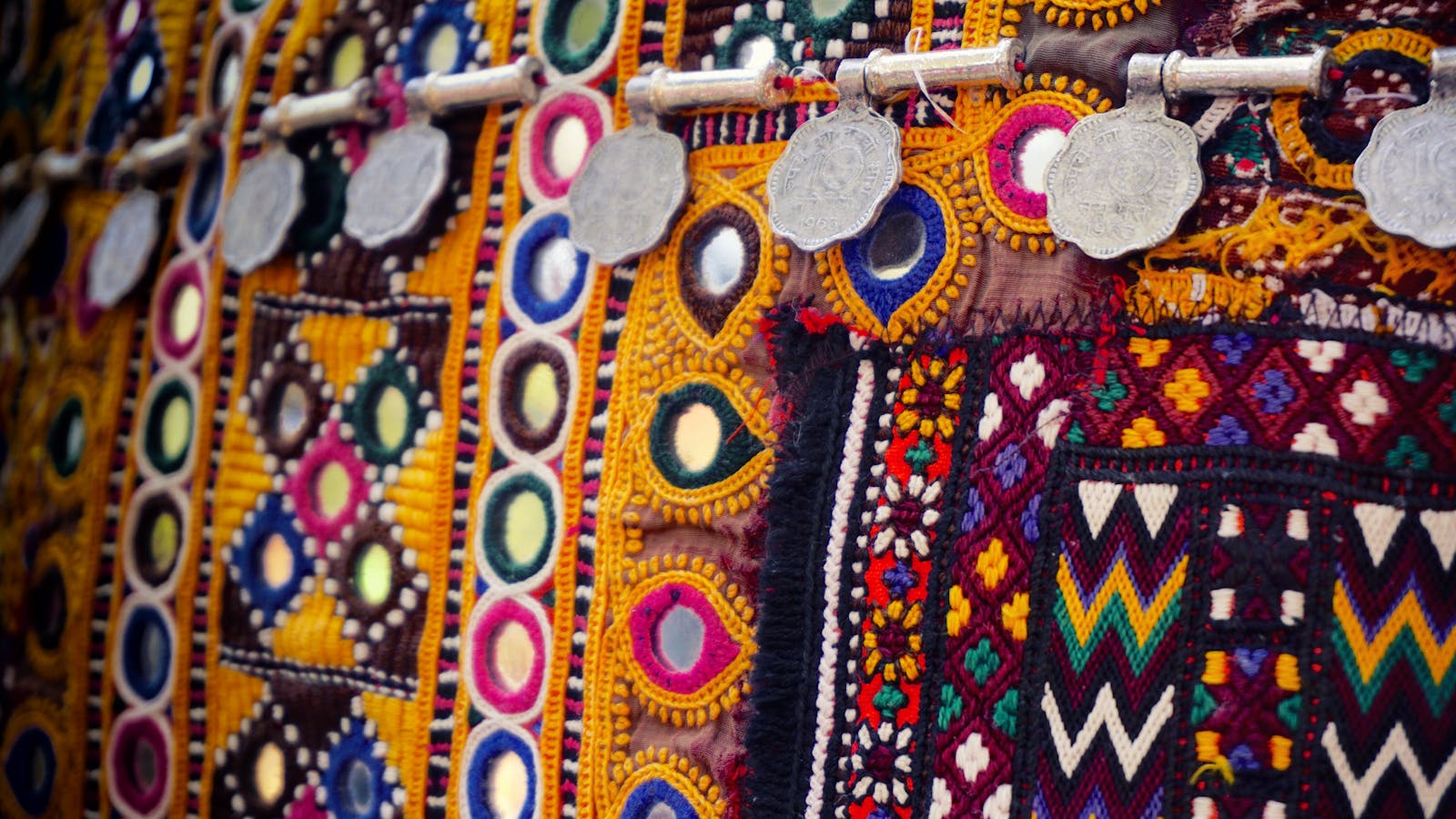
Programs such as Hamari Virasat demonstrate how craft traditions can engage with contemporary cultural themes. Artisans from across India created textile artworks responding to the values of the Constitution — and seventy-five pieces were exhibited across Mumbai, Delhi and Ahmedabad.
The exhibition created a unique platform where traditional craft practices engaged with ideas of democracy, identity and national heritage — bringing wider visibility to the creativity and cultural significance of craft traditions.
Cluster initiatives grounded in lived practice
HFH has begun engaging directly with artisan communities through cluster development initiatives. One of the early projects focuses on Ringaal bamboo craft in Kolti village near Landour in Uttarakhand — exploring how traditional skills can be strengthened through training, design exploration and improved market understanding. Cluster work also helps ensure that learning programs remain grounded in the lived experience of craft communities.
Early indicators of an expanding ecosystem
These metrics represent HFH's current footprint. They will be updated as the network grows and new initiatives launch.
A future where craft traditions remain vibrant and economically sustainable
HFH's work focuses on building systems that allow artisans to navigate a changing world while preserving the knowledge that defines their craft traditions. As Handmade Academy grows and cluster initiatives expand, the foundation aims to deepen its engagement with artisan communities and strengthen the wider handmade ecosystem.
"Strengthening Craft Enterprise Through Knowledge, Design and Entrepreneurship."
Partner with Hand for Handmade
CSR partners, NGOs, foundations and educational institutions can collaborate with HFH to deploy Handmade Academy programs, support cluster development, or co-develop ecosystem initiatives.